
Kalpa
Destination in Himachal Pradesh
Kalpa is a scenic mountain village perched high above the Sutlej River valley in the Kinnaur district of Himachal Pradesh. Renowned for its sweeping views of the sacred Kinnaur Kailash mountain range and fragrant apple orchards, it provides a quiet mountain retreat steeped in indigenous Kinnauri culture. Travellers visit Kalpa to witness breathtaking sunrises against the snow peaks, wander through ancient wooden temples, and explore the rugged trails of the lower Himalayas.
Getting there
By road
- From Chandigarh6 hr 50 min · 336 km
- From Ludhiana8 hr 45 min · 438 km
- From Dehradun8 hr 55 min · 453 km
- From New Delhi11 hr 25 min · 626 km
Typical drive times without traffic. Stations and airports from OLA Maps; distances and typical drive times from OpenStreetMap (© OpenStreetMap contributors); notes from creators' Reels.
About Kalpa
Written with AI from map data and general knowledge. Check prices and timings locally before you go.
About Kalpa and its heritage
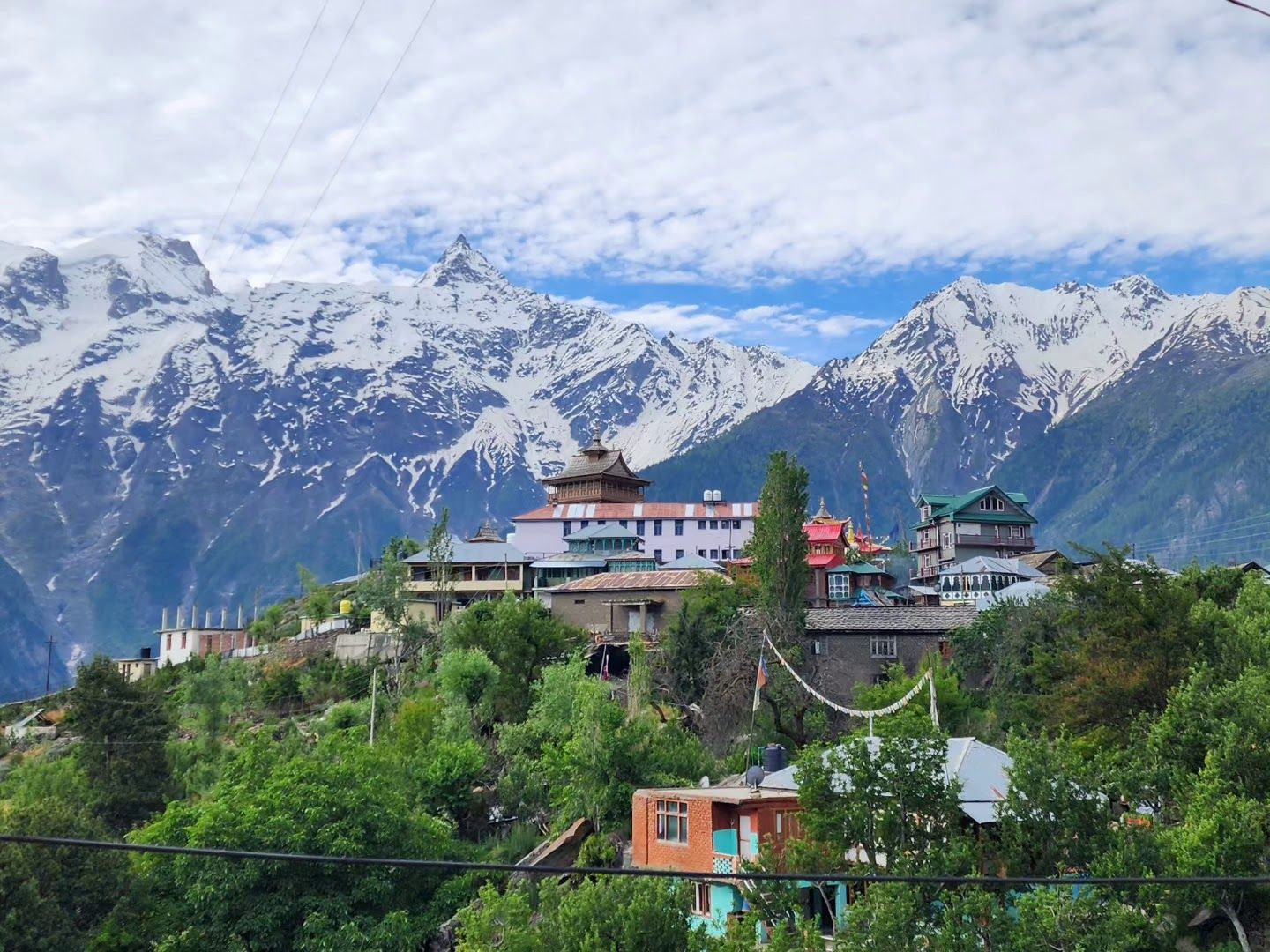
Kalpa lies nestled at an elevation of roughly 2,960 metres in the Kinnaur district of Himachal Pradesh. Overlooking the town of Reckong Peo, the administrative headquarters of Kinnaur, Kalpa was historically the primary hub of the region and served as a favourite summer stop during colonial administration along the old Indo-Tibetan Road. The village retains a quiet, rustic charm, with traditional Kinnauri houses constructed using the Kath-Kuni technique, an indigenous architectural method combining heavy timber beams and interlocking stones that withstand severe mountain tremors.
The town is deeply influenced by a harmonious blend of Hinduism and Tibetan Buddhism. Intricately carved wooden temples and quiet Buddhist gompas stand side by side among narrow stone-paved lanes. The inhabitants of Kalpa are known for their warm hospitality, vibrant woollen attire, and distinctive green-velvet Kinnauri caps. Walking through the village offers an authentic window into traditional high-altitude rural life, where time appears to move at an unhurried, peaceful pace.
The majestic Kinnaur Kailash range
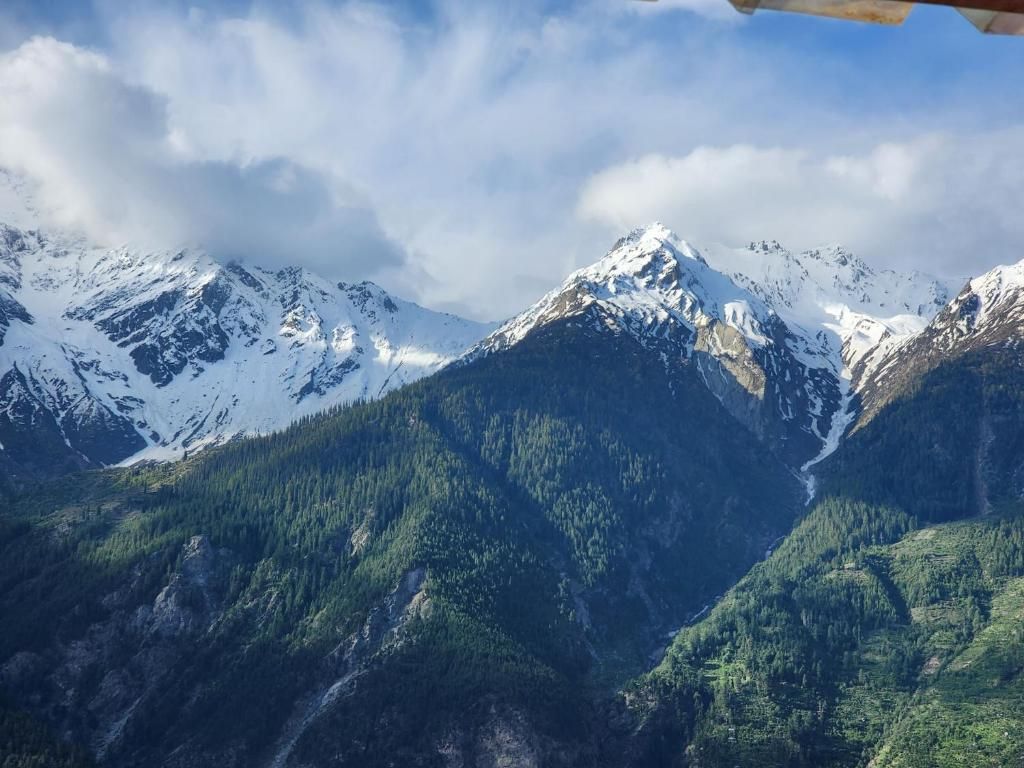
The defining geographic feature of Kalpa is its uninterrupted, front-row view of the Kinnaur Kailash range across the Sutlej valley. Dominating the skyline are the towering peaks of Jorkanden and Kinnaur Kailash itself. A unique natural pillar of rock sitting atop the mountain is revered as a sacred Shivalinga, a significant pilgrimage site for devotees of Lord Shiva.
One of the most memorable experiences in Kalpa is watching the morning light strike the jagged snowfields. At dawn, the summits glow in shades of crimson and deep orange before shifting to brilliant gold and bright white throughout the day. In the evenings, the sunset casts a delicate pink alpine glow known as alpenglow across the glaciers, making the village terrace gardens and viewpoints popular spots for nature lovers and landscape photographers.
Read more
Things to do in and around Kalpa
Walking through the terraced apple, apricot, and almond orchards is one of the most relaxing activities Kalpa has to offer. In spring, the valley is blanketed in delicate pink and white blossoms, while late summer and autumn see tree branches weighed down with crimson apples. You can take leisurely strolls along the narrow mountain trails weaving through the village toward ancient local shrines like the Hu-Bu-Lan-Kar gompa and the beautifully crafted local Durga temple.
A short drive or walk along the winding cliffside road leads to Roghi Village, located just beyond Kalpa. The road passes a sheer vertical drop known locally as Suicide Point, offering dizzying views straight down into the gorge. Roghi village itself is known for its well-preserved traditional architecture, apple storehouses, and terraced fields clinging to steep mountain slopes.
For those interested in exploring local flora and birdlife, the high pine, deodar, and chilgoza forests surrounding the upper edge of the settlement offer tranquil nature trails. Birdwatchers can often spot Himalayan monals, rosefinches, and accentors darting among the coniferous canopies.
Places to visit and getaways nearby
Kalpa serves as an ideal base for exploring the wider Kinnaur region and adjacent valleys. Down in the valley, the confluence of the Sutlej and Baspa rivers leads into the picturesque Sangla Valley. Nearby, the historic village of Kamru features a towering multi-storey fort that once served as the ancestral seat of the rulers of Bushahr. Further up the Baspa River, the hamlet of Rakcham and the high-altitude border village of Chitkul showcase dramatic alpine meadows and glacier-fed waters.
Outdoor enthusiasts will find several notable hiking routes and wildlife habitats within accessible reach. The Rakcham Wildlife Sanctuary protects dense sub-alpine forests and high crags inhabited by elusive Himalayan wildlife, including musk deer, goral, and brown bears. The scenic trek between Rakcham and Chitkul offers an easy walking experience alongside crystal-clear streams. For experienced high-altitude trekkers, legendary mountain passes like Buran Pass, Rupin Pass, and Nalgan Pass trace historic shepherd tracks across the Dhauladhar and Kinnaur ranges, leading to lush alpine pastures and remote glacial tarns such as Sangla Kanda Lake.
Best time to visit Kalpa
The spring and summer months, from April to June, offer pleasant weather and clear skies, making it an excellent time for sightseeing and leisurely walks. Daytime temperatures are comfortable, though nights can remain chilly, requiring light woollens.
Autumn, running from September through October, is considered by many to be the most picturesque season in Kalpa. The air is exceptionally crisp, the views of the snowy peaks are crystalline, and the apple harvest is in full swing, transforming the village into a bustling hub of agricultural activity. The surrounding poplars and fruit trees turn vivid shades of gold and amber.
Winter arrives in November and lasts through March, bringing sub-zero temperatures and heavy snowfall. While the snowy landscape turns Kalpa into a serene winter wonderland, road access via National Highway 5 can be occasionally disrupted by snow, and water pipes often freeze. Travellers visiting in winter must carry heavy thermal layers and prepare for cold conditions.
How to reach Kalpa
Kalpa is accessible by road via National Highway 5, popularly known as the Hindustan-Tibet Road. The journey winds through Shimla, Narkanda, Rampur, and Tapri, leading up to Reckong Peo, from where a short uphill road climbs directly into Kalpa.
For travellers arriving by air, the nearest regional airports are located at Shimla (Jubarhati) and Chandigarh. Chandigarh Airport is better connected to major Indian cities. From either city, you can hire a private taxi or take a state-run bus. The railheads at Shimla and Kalka offer narrow-gauge and broad-gauge train connections respectively, with Kalka being the major rail junction connecting to the rest of the country.
The mountain drive involves long stretches along steep river gorges and narrow winding corridors. It is advisable to break the road journey with an overnight halt at Shimla, Narkanda, or Sarahan to avoid road fatigue and allow your body to gradually acclimatise to the altitude.
Where to stay in Kalpa
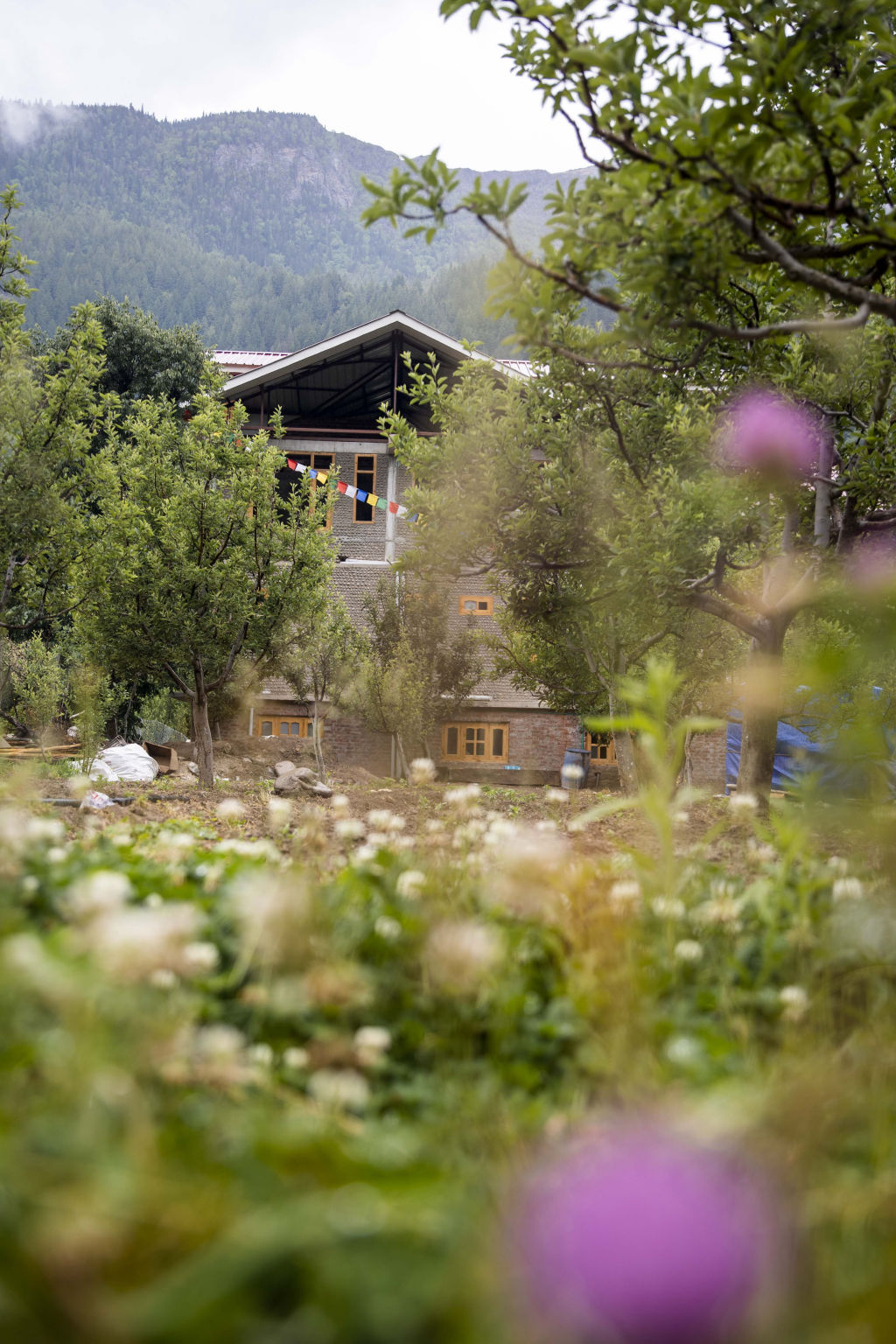
Accommodation in Kalpa primarily consists of traditional homestays, simple family-run guest houses, and scenic mountain campsites perched along the slopes. Staying with a local family provides an exceptional opportunity to experience authentic Kinnauri hospitality, savour home-cooked regional meals, and learn about the local way of life.
Most accommodations in the village are arranged along terraced lanes designed to give guests clear vistas of the Kinnaur Kailash massif right from their balconies or windows. Travellers planning a peaceful holiday or an adventure getaway can explore and book handpicked riverside camps, rustic homestays, and outdoor stays around Kalpa on HireACamp.
Frequently asked questions
What is Kalpa famous for?
Kalpa is famous for its panoramic views of the sacred Kinnaur Kailash mountain range, expansive apple and chilgoza pine orchards, and well-preserved traditional wooden architecture.
Is an Inner Line Permit required to visit Kalpa?
Indian citizens do not require an Inner Line Permit to visit Kalpa. Foreign nationals travelling past Reckong Peo toward the upper reaches of Spiti along the border road may require permits, so check the latest administrative guidelines before travelling.
Can I see snow in Kalpa?
Yes, Kalpa experiences regular snowfall during the winter months from late December to February. Even during spring and summer, the high peaks of the Kinnaur Kailash range across the valley remain covered in snow.
How far is Kalpa from Reckong Peo?
Kalpa is located approximately 7 to 10 kilometres uphill from Reckong Peo, accessible via a short winding mountain road by taxi or local bus.
What should I pack for a trip to Kalpa?
Even during the summer, evenings in Kalpa are cool, so carry light woollens or fleece jackets. For autumn and winter trips, heavy woollens, thermal innerwear, windproof outer jackets, and sturdy walking shoes are essential.
Where you'll be
3 stays nearby shown with prices
Stays near Kalpa
Book a place to stay close by
Things to do in Kalpa
33 places creators recommend within 30 km


Built from 0 Instagram posts by 0 creators. Every tip links back to the post it came from, and where creators disagree we show both sides.






